The Problems with Smart Home Devices: Convenience at What Cost?
From security vulnerabilities to planned obsolescence - why your 'smart' home might not be as clever as you think.
By Felipe Bongiolo, WDF
Smart thermostats that learn your schedule. Voice assistants that dim your lights on command. Doorbells that show you who's at your door from anywhere in the world. The promise of the smart home is seductive: effortless convenience, energy savings, and a connected lifestyle.
But beneath the glossy marketing lies a more complicated reality. Smart home devices come with significant trade-offs that manufacturers rarely advertise - and that most consumers don't discover until it's too late.
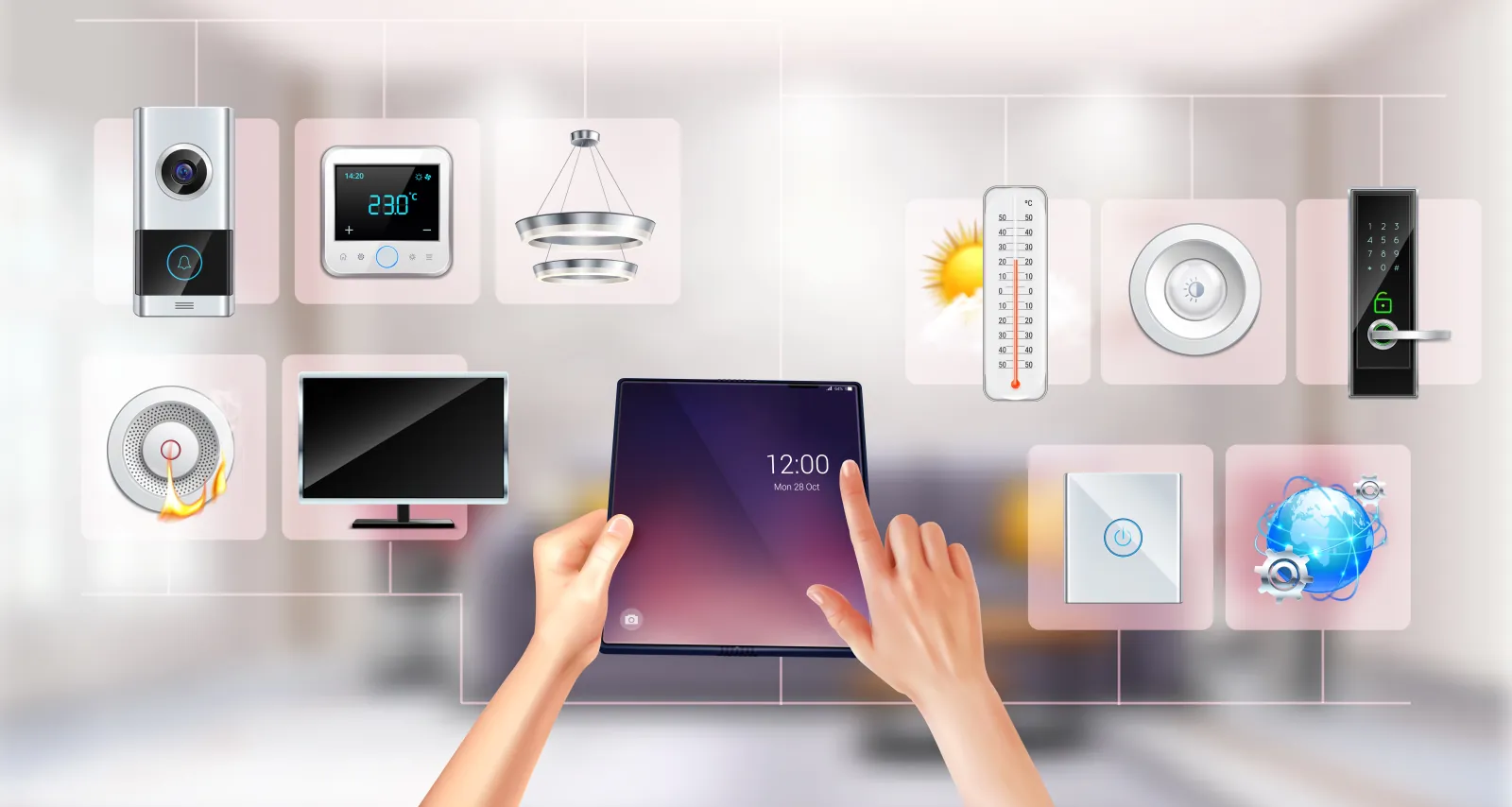
The modern smart home: convenience wrapped in complexity
Security: The Achilles Heel of IoT
Perhaps the most alarming issue with smart home devices is security - or the lack thereof. Unlike your computer or smartphone, which receive regular security updates, many IoT devices are built with minimal security considerations:
- Default credentials: Many devices ship with factory-set usernames and passwords that users never change - and hackers know them all.
- Infrequent updates: Budget manufacturers rarely push security patches, leaving known vulnerabilities exposed for years.
- Weak encryption: Some devices transmit data in plain text or use outdated encryption protocols.
- Attack surface expansion: Every connected device is a potential entry point for hackers to access your entire home network.
In 2021, a major smart camera brand was found to have a vulnerability that allowed unauthorized access to live feeds from millions of homes. Similar breaches have affected baby monitors, smart locks, and even garage door openers.
"The 'S' in IoT stands for Security."
- (there is no 'S')
Privacy: Your Home, Their Data
Smart devices are data collection machines. Voice assistants listen for wake words - but recordings often capture much more. Smart TVs track viewing habits. Thermostats know when you're home and when you're away. This data is valuable, and companies monetize it:
- Always-on microphones: Voice assistants have been caught recording private conversations and sending them to human reviewers.
- Behavioral profiling: Usage patterns reveal intimate details about your daily life, health, and relationships.
- Third-party sharing: Privacy policies often allow data sharing with "partners" and "service providers" with vague definitions.
- Government access: Smart device data has been subpoenaed in legal cases, turning your home into a potential witness against you.
Even when companies promise privacy protections, data breaches can expose years of intimate household data to malicious actors.
Interoperability: The Tower of Babel
Imagine buying a new light bulb and discovering it won't work with your existing smart home system. This isn't hypothetical - it's the daily reality for smart home users:
- Competing ecosystems: Google Home, Amazon Alexa, Apple HomeKit, Samsung SmartThings - each wants to be your exclusive hub.
- Protocol fragmentation: Zigbee, Z-Wave, Wi-Fi, Bluetooth, Thread, Matter - devices using different protocols often can't communicate.
- Vendor lock-in: Once you invest in one ecosystem, switching becomes expensive and time-consuming.
- Integration headaches: Making devices from different manufacturers work together often requires technical expertise and third-party bridges.
The new Matter standard promises to solve interoperability, but adoption is slow and backward compatibility remains limited.

The reality of managing multiple incompatible smart home ecosystems
Reliability: When Smart Becomes Dumb
Traditional light switches work for decades without fail. Smart devices? Not so much:
- Internet dependency: Lose your Wi-Fi or internet connection, and many smart devices become paperweights.
- Cloud outages: When Amazon, Google, or a manufacturer's servers go down, so does your smart home.
- Software bugs: Updates can break previously working features or introduce new problems.
- App fatigue: Managing a dozen different apps for different devices is exhausting and error-prone.
There's something deeply ironic about needing to reboot your light bulb.
Planned Obsolescence: The Subscription Trap
Smart devices have a dirty secret: they're designed to stop working. Not physically - but functionally:
- End-of-life policies: Manufacturers routinely discontinue cloud services, bricking devices that still physically function.
- Subscription creep: Features that were free at purchase increasingly move behind paywalls.
- Forced upgrades: Software updates can intentionally degrade older hardware performance.
- Short support windows: Many devices receive updates for only 2-3 years, leaving them vulnerable afterward.
In 2023, a major smart home company announced it would disable all first-generation devices - millions of products - leaving customers with expensive electronic waste.
The Environmental Cost
Smart devices contribute to a growing e-waste crisis:
- Short lifespans: While a traditional thermostat lasts 20+ years, smart versions are often replaced every 3-5 years.
- Non-recyclable components: Complex electronics with batteries, chips, and mixed materials are difficult to recycle.
- Energy consumption: Always-on devices consume power 24/7, offsetting any efficiency gains they provide.
- Manufacturing footprint: Producing sophisticated electronics has a higher environmental impact than simple mechanical devices.
Making Smarter Choices
None of this means you should avoid smart home technology entirely. But you should approach it with eyes open:
- Prioritize local control: Choose devices that work without cloud connectivity when possible.
- Research before buying: Check manufacturer security track records and update policies.
- Segment your network: Keep IoT devices on a separate network from your computers and phones.
- Consider open standards: Devices supporting open protocols (like Zigbee or Matter) offer more flexibility.
- Question necessity: Does your toaster really need Wi-Fi? Sometimes "dumb" is smarter.
For businesses and homes requiring robust automation, working with a embedded firmware and secure OTA update engineering can provide solutions tailored to your specific needs - with security, privacy, and longevity built in from the start.
Final Thought
The smart home revolution promised to make our lives easier. In many ways, it has. But the hidden costs - in security, privacy, complexity, and sustainability - are too significant to ignore. The truly smart approach isn't to adopt every new gadget, but to thoughtfully choose solutions that genuinely improve your life without compromising your values.
Looking for automation solutions that prioritize security and reliability? We specialize in building embedded systems and IoT firmware designed for longevity - not planned obsolescence. Let's discuss your project.
How WDF does this in practice
This is work we do for clients every week. Here is what that looks like as a service:
